Poisonous, Venomous, and Toxic Plants and Animals of the Virgin Islands
The Virgin Islands are a absolute paradise with its crystal clear, bath temperature waters, quiet trails, and world class beaches. No one worries about venomous snakes or even poison ivy here.
However, there are exotic poisons, venoms, and toxins lurking about in the most unlikely places. Thankfully most of the culprit plants and animals are rare, shy or easy to avoid once you know what they look like. When you book a charter boat trip with Island Roots, our captains can point out all of the dangerous wildlife which are best admired (and respected) from afar.
Sea Urchin
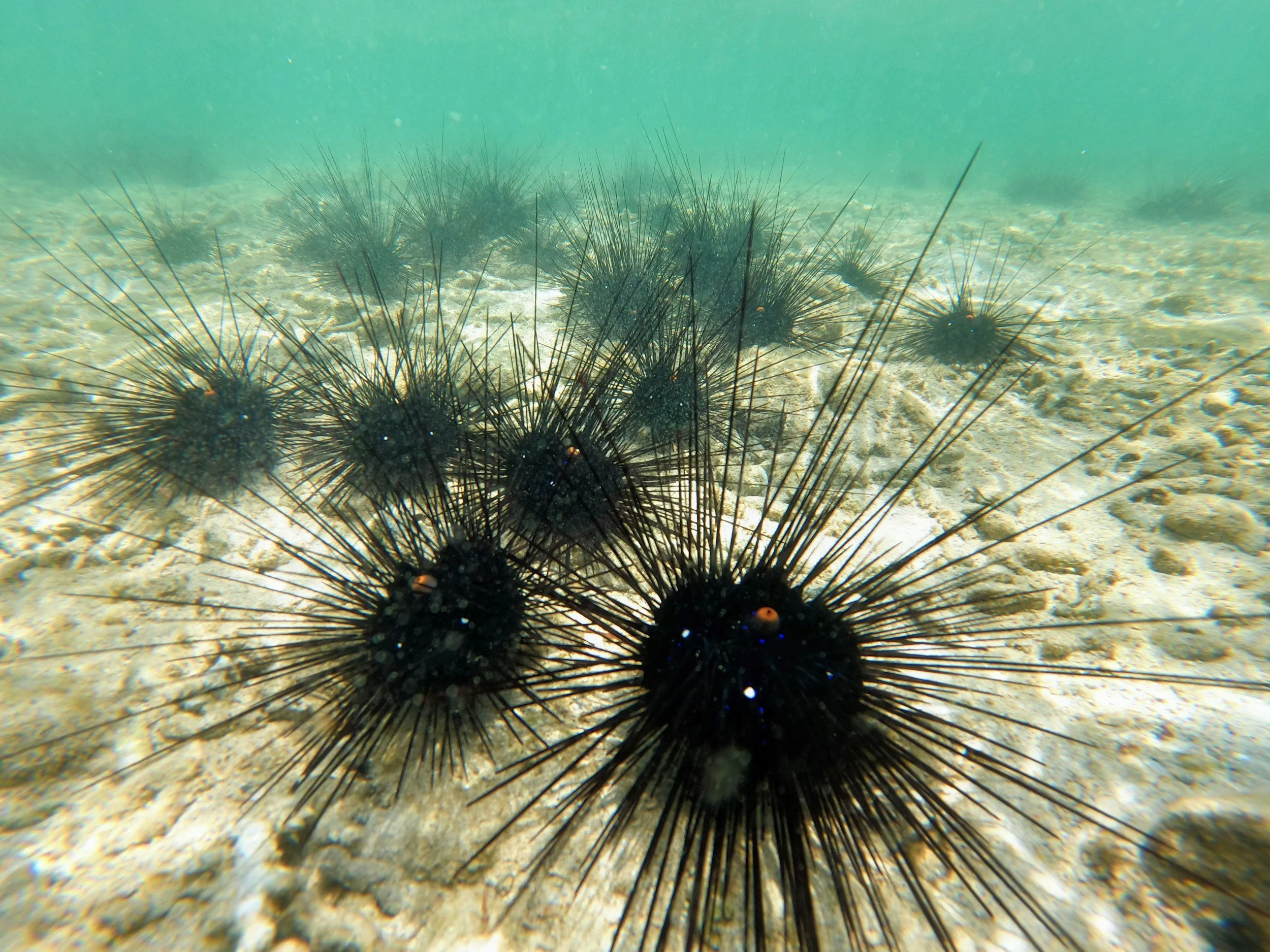
Image: Urchins, Credit: Stefan Sebök @algenprojekt via Unsplash
Long-spined sea urchin are scattered all over the Virgin Islands. They can be found under the sea on reefs, on the sandy ocean bottom, on rocks —essentially everywhere algae, their primary food source, is growing underwater. However, the unicellular ciliate parasite, Philaster apodigitiformis, has caused a massive population decline in urchins in the V.I.
While urchins are beautiful creatures, their long spines can easily puncture the skin and break off, causing irritation, burning and general discomfort. Even lightly brushing against urchins can cause an envenomation. That happens because not only are these needle-like spines sharp, they are also tipped with a mild protein-based venom that contains proteases, serotonin, and hemolysins, that are designed to instantly cause intense pain. The NPS notes that as emergency first aid these spines should not be removed as they often dissolve, though in some cases a doctor may need to be seen to remove them and treat the injury.
Stinging Nettle
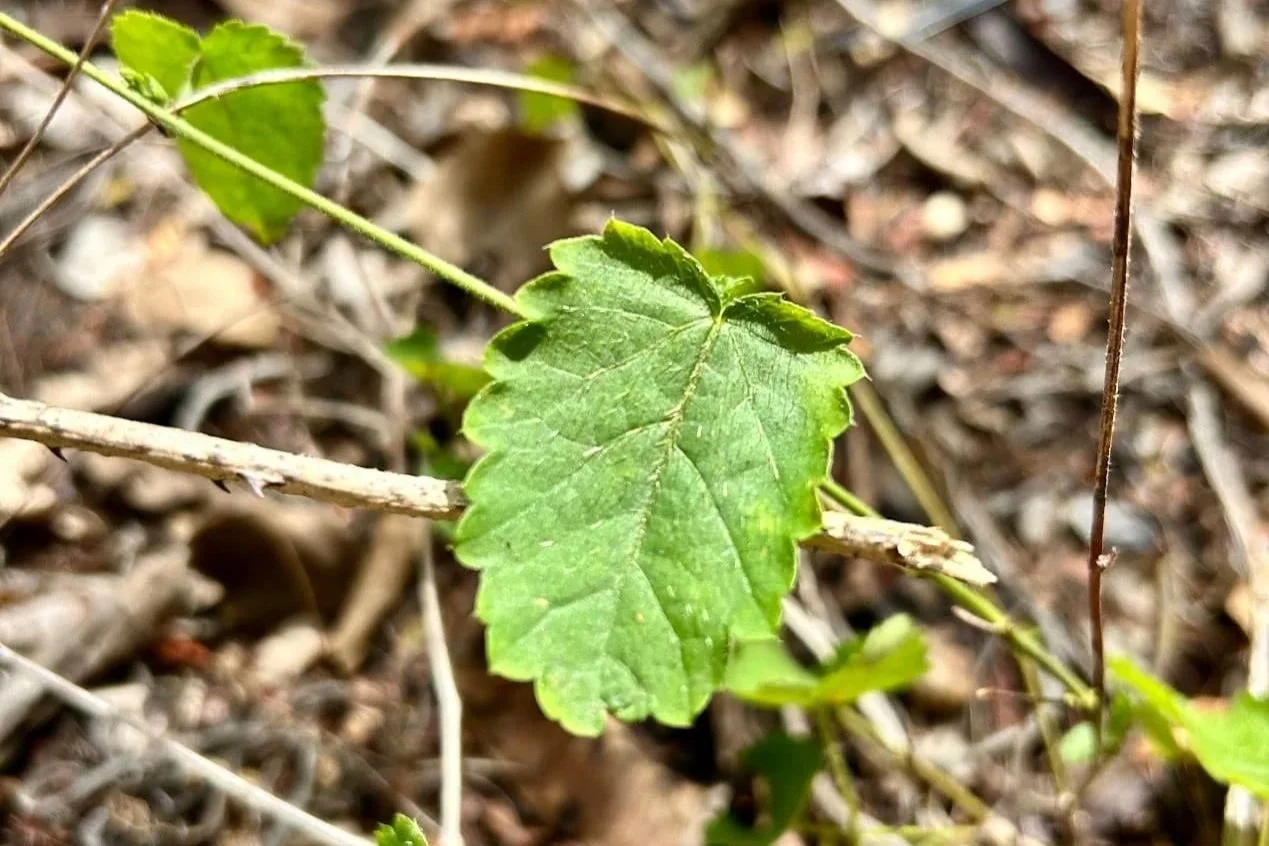
Image: Virgin Islands’ Stinging Nettle Credit: Island Roots Charters
Stinging nettle (Tragia volubilis) is a vine-like plant that should be avoided when out on hikes or walking around scrubby areas. Oftentimes it is felt long before, if it ever is, seen. It delivers instant pain to the bare skin, followed by burning and rashes. It’s usually more of a painful inconvenience and one of the plants to be on the look out for so it can be avoided.
Manchineel Tree
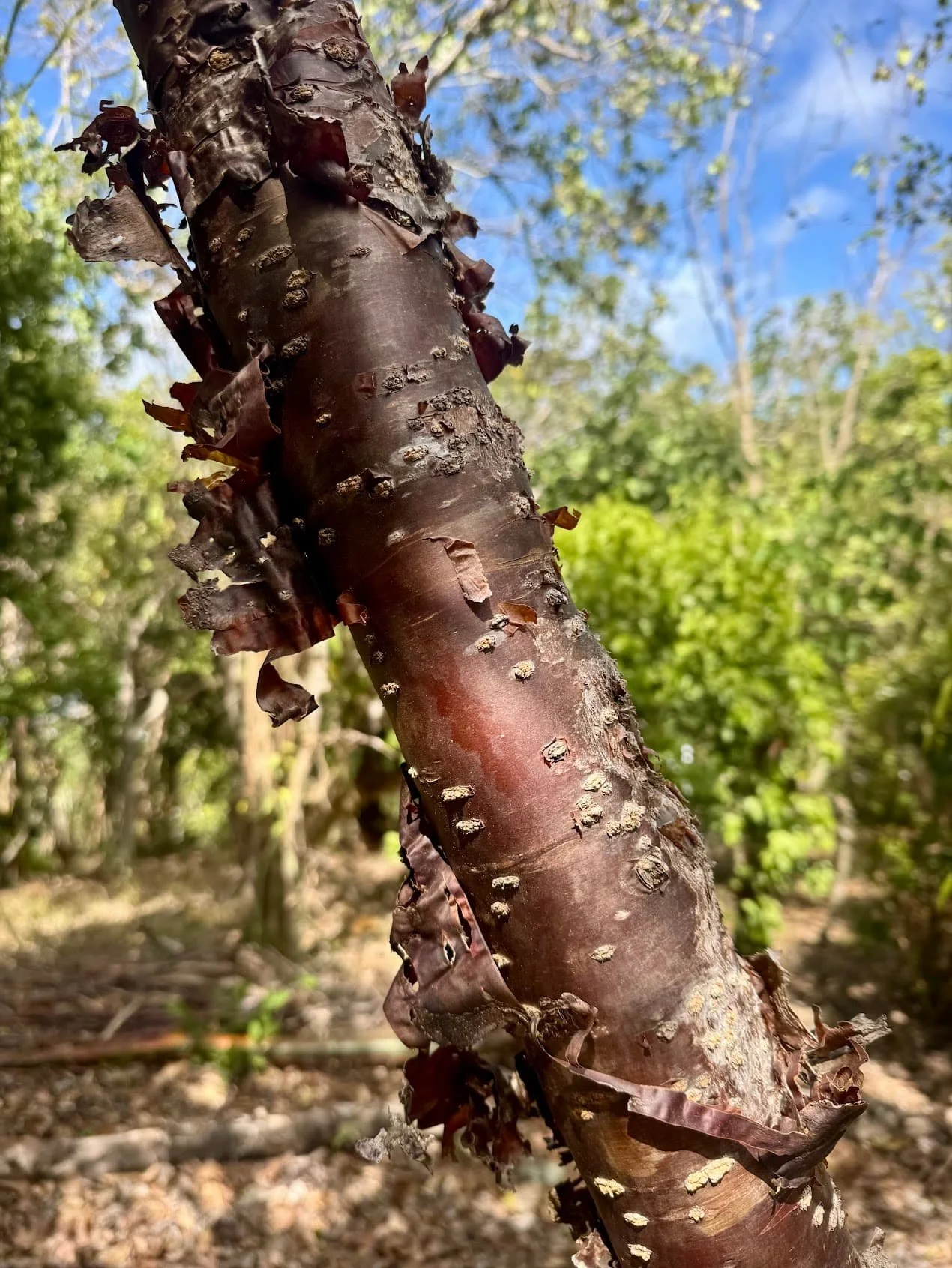
Image: Manchineel Tree / Credit: Island Roots Charters
In contrast to stinging nettle, the manchineel tree (Hippomane mancinella) is profoundly toxic. Its sap is white and contains the toxin phorbol, which is when touched with bare skin what causes pain, blisters, and burns. Indigenous tribes have been known to dip arrow points into the sap to increase their killing potential. In one famous example, the Spanish explorer Juan Ponce de León was killed by one of these arrows.
It’s all around the islands, and can usually be spotted near the beaches. Its leaves are shiny hearts with pinnate venation and a yellow-green midrib. Eating its fruit, which looks like a little green apple, can be fatal, which is why this tree is often referred to as the Death Apple. Ironically these little fruits have a pleasant sweet aroma. Even touching this tree can cause the skin to burn and blister badly. If it gets into the eyes, temporary blindness may occur.
It’s best to avoid even sitting under the tree as even a light drizzle can mix with the tree’s toxins as it drops from the leaves, burning anyone unfortunate enough to be below. This is also not a tree you want to burn as the smoke can blind anyone downwind.
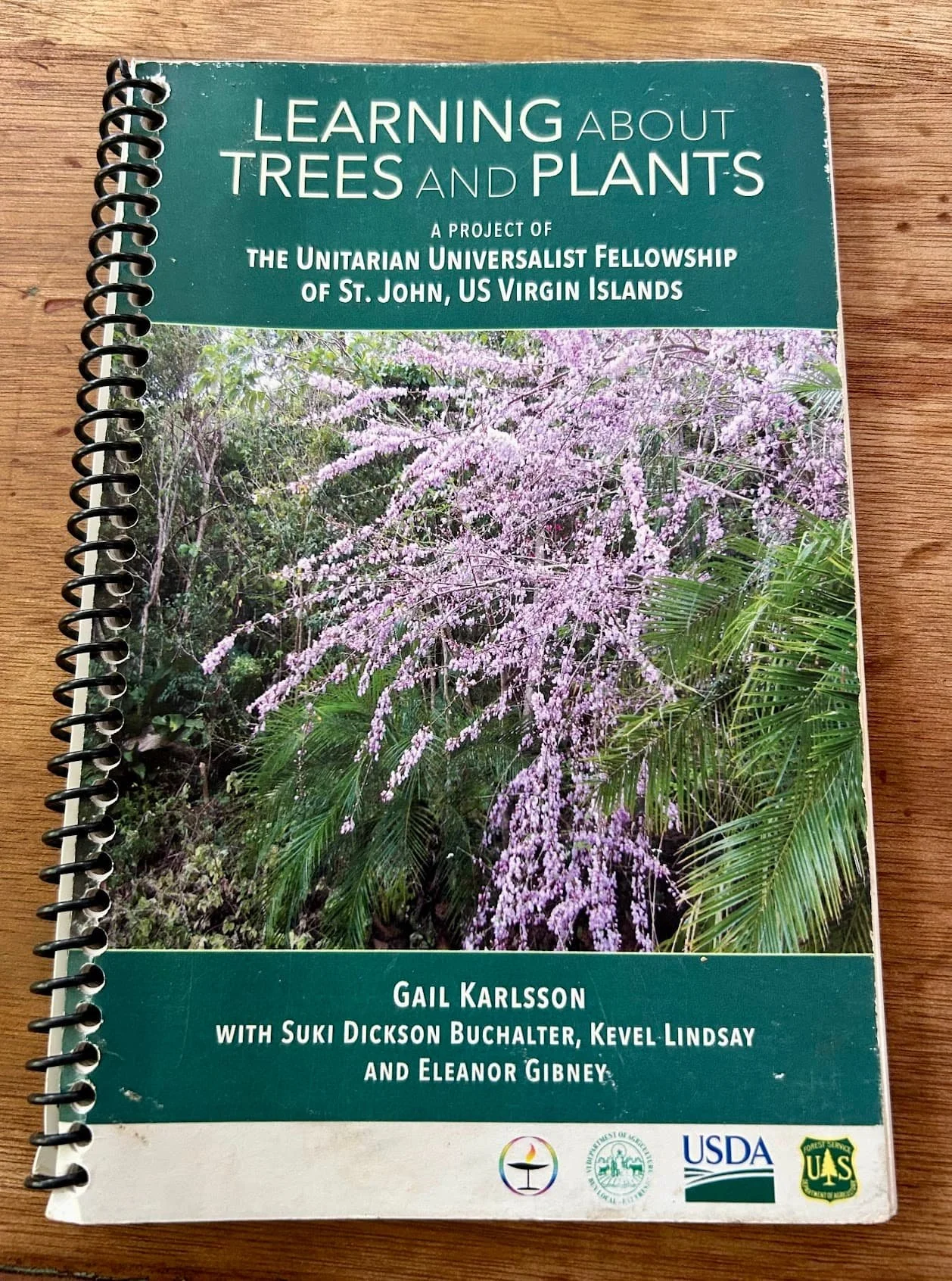
There are a number of other stinging or poisonous plants in the Virgin Islands like the: Jimson Weed (Datura inoxia), Pencil bush (Euphorbia tirucalli), Casha Tree (Acacia maracantha), Catch & Keep (Acacia riparia), and Christmas Bush. A great resource for learning about the local flora is the book, Learning about Trees and Plants (pictured below).
Millipedes
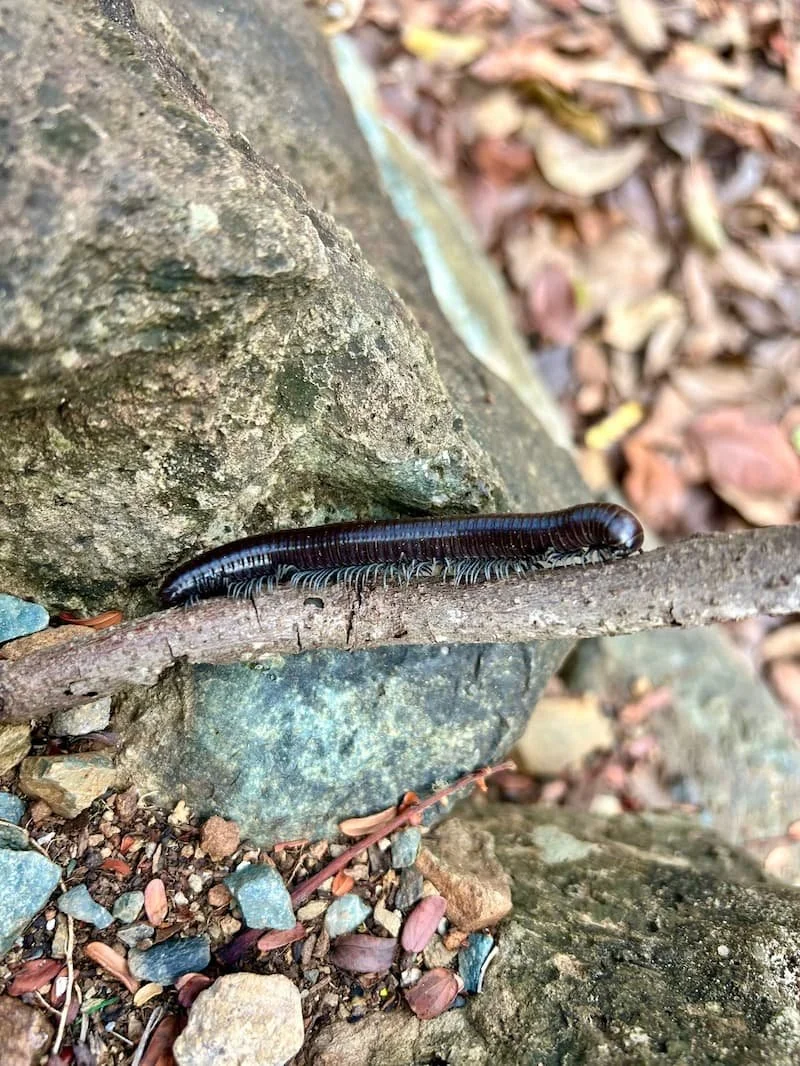
Image: A Millipede in St. John, Virgin Islands / Credit: Island Roots Charters
The millipedes of the Virgin Islands, called gongolos by the locals, are known to emit a smelly discharge that causes irritation when handled.
Scorpions
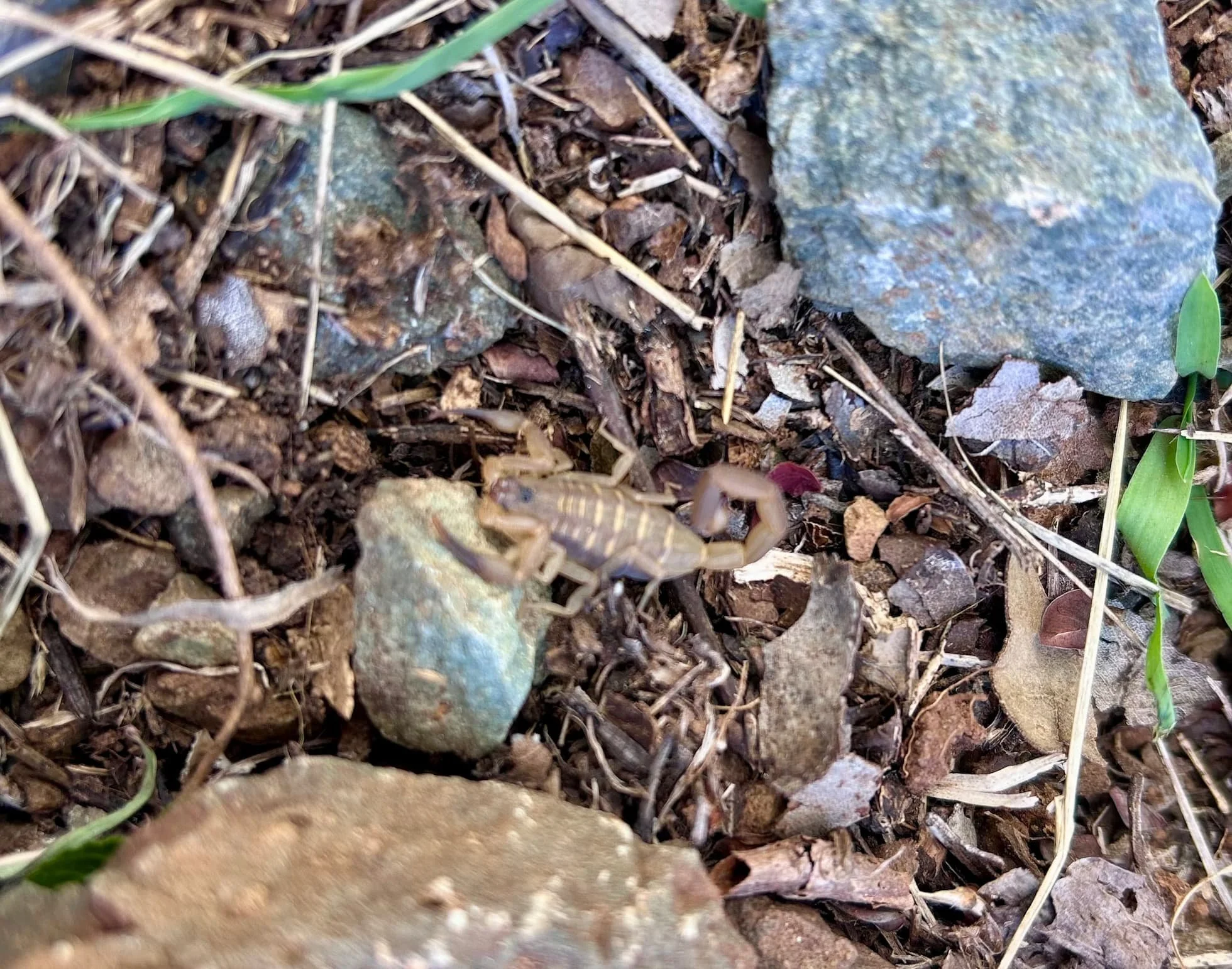
Image: Scorpion at St. John, Virgin Islands / Credit: Island Roots Charters
When visiting the USVI or BVI you might see one of several species of small scorpions; such as Centruroides, Microtityus or Heteronebo. However, it’s unlikely that you will ever see one unless you spend a lot of time raking through sticks and leaves in the night. Since these little guys are usually nocturnal, they are a rare sight. If they do happen to sting, it’s usually like a bee sting in terms of severity and pain.
Tarantulas
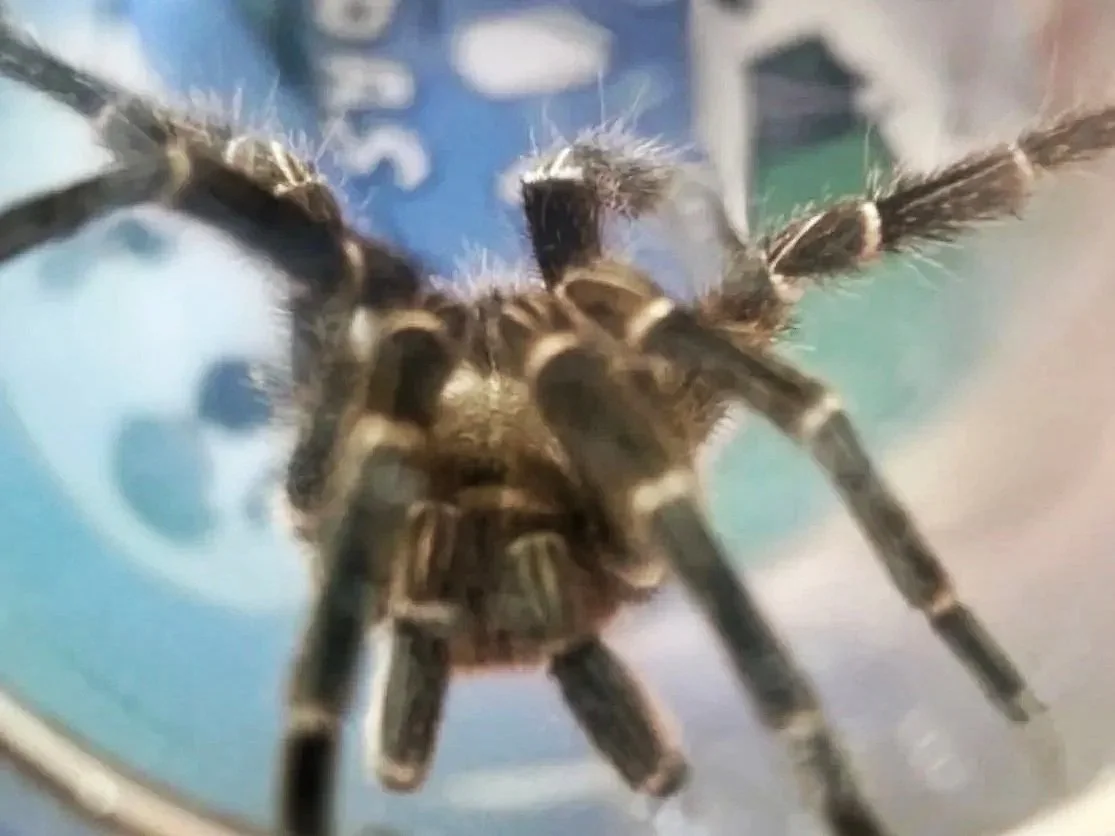
Image: Virgin Islands Tarantula Credit
There are tarantulas in the U.S. Virgin Islands. Locals on St. John and St. Thomas often call them araña pelua, or just ground siders. The one you’re most likely to see is the larger ground dwelling one, Cyrtopholis bartholomei. The smaller tree species, Puerto Rican pinktoe (Caribena laeta), is common if you’re birdwatching or looking up into the trees for some reason (which most people don’t).
Tarantulas are probably the most beloved spider in the world among spider collectors, but for most everyone else, they are the creatures of nightmares. Arachnophobia may be the best condition to describe the reaction most people have when they see these hairy animals crawling around. However, they only inflict a bee sting like bite that usually only causes temporary pain and local swelling when provoked. Otherwise they like to live much of their lives in nesting holes like the one pictured below.
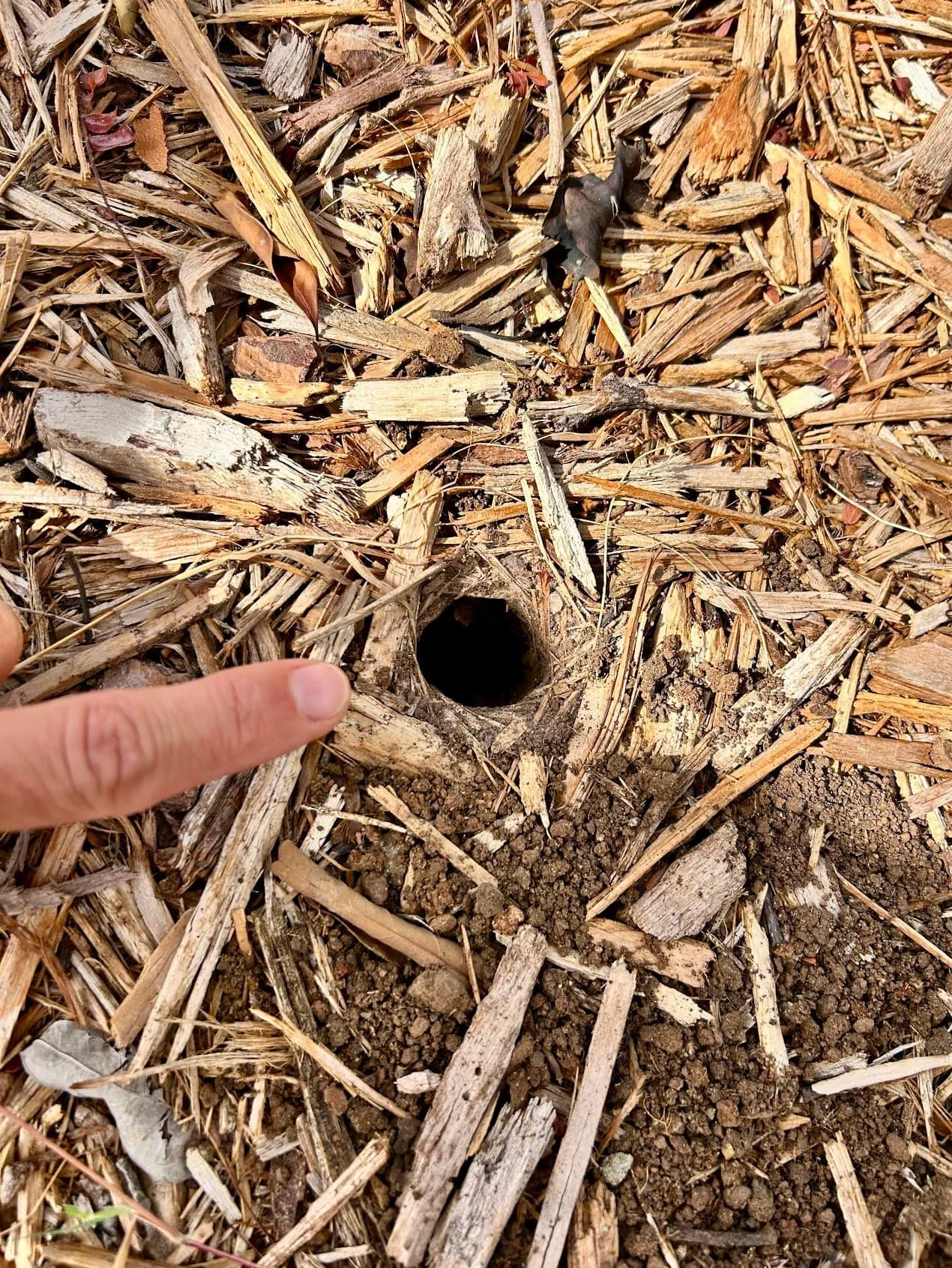
Image: Tarantula hole / Credit: Island Roots Charters
While the above is not an exhaustive list of plants and animals in the Virgin Islands that may deliver toxins, poisons, or venoms, it’s a good start to learning more about the unique ecosystem of these islands. Join us on a charter boat expedition to immerse yourself in the adventure that awaits you on the seas and beaches of the Virgin Islands.